Producer
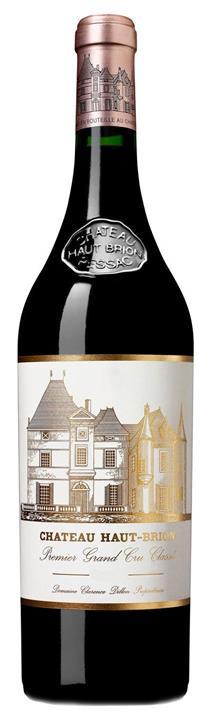
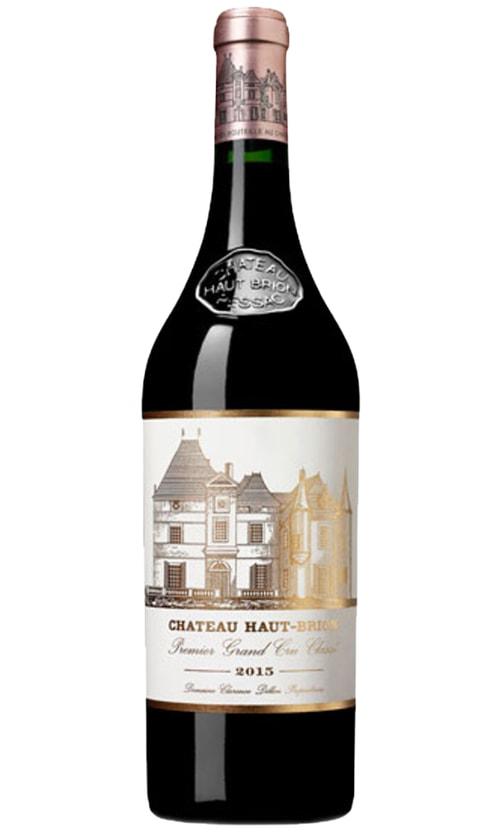
Château Haut-Brion
 Pessac-Léognan, Bordeaux, France
Château Haut-Brion is the oldest wine-producing estate in Bordeaux, with written evidence of its name appearing as early as 1521. Jean de Pontac established the modern vineyard in 1533 and began construction on the manor house in 1549. In 1663, Samuel Pepys recorded the first known wine review in history after tasting the wine in London, while Thomas Jefferson later visited the property in 1787 and cited its quality. The estate remained with the Pontac family and their descendants until the late 18th century and was eventually purchased by American financier Clarence Dillon in 1935. Today, it is owned by Domaine Clarence Dillon and managed by his great-grandson, Prince Robert of Luxembourg.
The estate consists of approximately 53 hectares under vine in the Pessac-Léognan appellation. The vineyards are situated on two mounds of deep gravel soil containing quartz and minerals that facilitate drainage and heat retention. Red grape plantings are composed of approximately 45 percent Merlot, 44 percent Cabernet Sauvignon, and 10 percent Cabernet Franc. Winemaking involves fermentation in stainless steel tanks, a practice the estate pioneered in 1961, followed by aging in 100 percent new French oak barrels for the red grand vin. Jean-Philippe Delmas serves as the managing director, continuing a family lineage of technical management that began with his grandfather.
This estate holds a distinct position in the 1855 Classification as the only property located outside the Médoc to be awarded Premier Grand Cru Classé status. It is also included in the 1959 classification of Graves. The red grand vin is recognized for its longevity and a specific aromatic profile characterized by notes of tobacco, earth, and smoke. In addition to the primary red wine, the estate produces a second red wine named Le Clarence de Haut-Brion. A dry white wine, Château Haut-Brion Blanc, is produced in limited quantities from Sémillon and Sauvignon Blanc and is regarded as one of the leading white wines of the region.