Producer
Château Giscours
 Margaux, Bordeaux, France
Château Giscours has historical roots dating back to 1330 when it was first recorded as a fortified estate. Pierre de Lhomme, a draper from Bordeaux, acquired the property in 1552 and planted the first vines. The estate passed through several owners over the following centuries, including the Saint-Simon and Cruse families. In 1855, it was recognized as a Third Growth during the classification of Médoc wines. The modern era began in 1995 when Dutch businessman Eric Albada Jelgersma purchased a majority stake in the winery operations. Following decades of shared governance, his children Dennis, Derk, and Valérie fully acquired all remaining shares in 2024. Alexander van Beek has served as the general manager for nearly three decades, overseeing the estate's stabilization and quality improvements.
The estate covers 300 hectares of land in the Margaux appellation, with 100 hectares currently under vine. The vineyards are concentrated in the communes of Labarde and Arsac on high plateaus of Garonne gravel from the Quaternary period. This soil composition provides natural drainage and reflects solar heat to aid grape ripening. Cabernet Sauvignon is the dominant variety, comprising roughly 64 percent of the vineyard, followed by Merlot, Cabernet Franc, and Petit Verdot. Winemaking involves manual harvesting with multiple passes through the plots to ensure optimal ripeness. The technical team utilizes gravity fed systems in the cellar and practices long, gentle macerations that they compare to infusions. Aging typically takes place in French oak barrels for 15 to 17 months, with approximately 50 percent new oak used for the top wine.
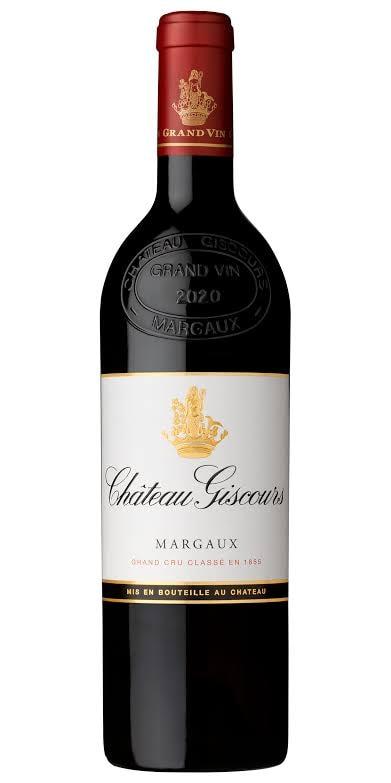
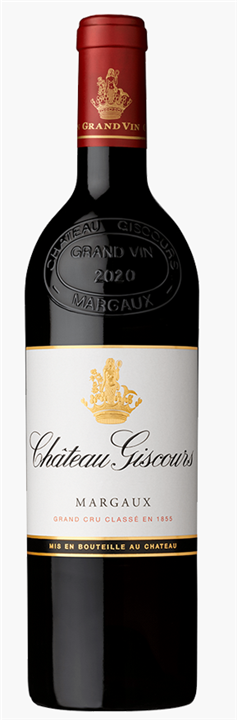
The winery is most recognized for its flagship grand vin, Château Giscours, which is noted for a structure that balances power with the fragrance associated with the Margaux appellation. It also produces a second label, La Sirène de Giscours, which is sourced from younger vines and carries the same Margaux designation. Additionally, the estate manages 60 hectares of vines just outside the appellation boundary, which are bottled as Haut-Médoc de Giscours. In recent years, the management has integrated agroecological practices and expanded into other styles, including a rosé label. The property remains one of the largest in the Médoc and is a primary example of the consistent quality and international distribution typical of the region's Grand Cru Classé estates.