Producer
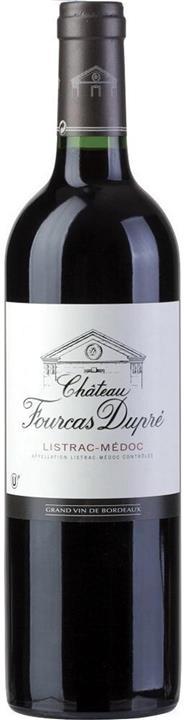
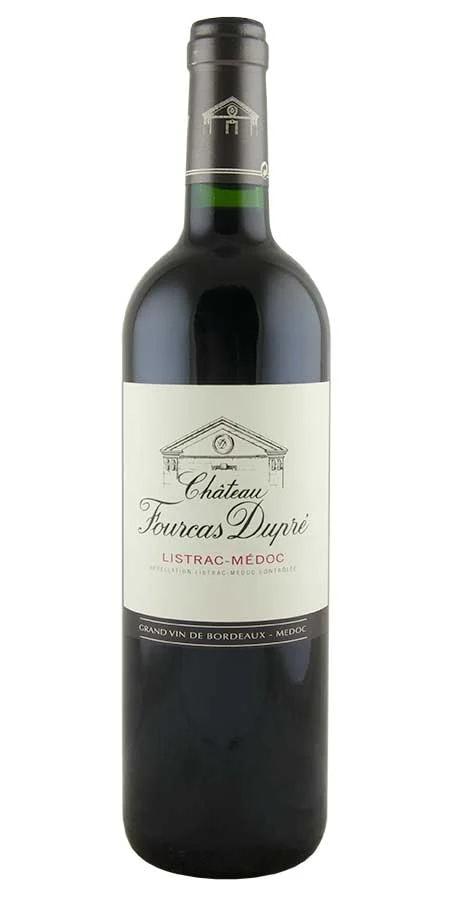
Château Fourcas-Dupré
 Listrac-Médoc, Bordeaux, France
Château Fourcas-Dupré is located in the Listrac-Médoc appellation of Bordeaux. While viticulture at the Fourcas site dates back to the early 18th century as recorded on maps by cartographer Pierre de Belleyme, the estate took its current name in 1843 when Jean Antoine Dupré became the owner. The property remained under the management of the Pagès family for nearly five decades after they acquired it in 1970. In 2019, the estate was purchased by Gérard Jicquel, a Breton entrepreneur and co-founder of the Samsic Group. Jicquel appointed Lucas Leclercq as the managing director and retained Gilles Bergerot as the technical director to oversee operations and modernization of the winery.
The estate vineyard spans approximately 46 hectares in a single block situated on the Fourcas plateau. This location is one of the highest points in the Médoc, reaching an altitude of 42 meters, which facilitates natural drainage and ventilation. The soil composition is distinctive for the area, consisting of over 80 percent Pyrenean gravel with a subsoil of clay and limestone. Current plantings include Cabernet Sauvignon and Merlot as the primary varieties, supplemented by smaller amounts of Petit Verdot and Cabernet Franc. Planting density is high at roughly 8,300 vines per hectare. Winemaking takes place in a modern, temperature-controlled vat room. The wines are typically aged for 12 to 14 months in French oak barrels, with roughly one-third of the barrels renewed each year.
Château Fourcas-Dupré is recognized as a member of the Union des Grands Crus de Bordeaux. The wines are known for a mineral profile and structured tannins that provide significant potential for aging. In addition to the grand vin, the estate produces a second wine under the label Bellevue de Fourcas Dupré. The property previously held the classification of Cru Bourgeois Supérieur and is frequently cited by critics for its consistency and value within the Haut-Médoc. Recent vintages have incorporated a small portion of production aged in amphorae alongside traditional cement vats and oak barrels to further refine the texture and fruit expression of the wine. Winemaking is further supported by the consulting services of oenologist Eric Boissenot.