Producer
Château d'Yquem
 Sauternes, Bordeaux, France
Jacques Sauvage was granted feudal tenure of the estate in 1593, and his family obtained full ownership in 1711. Françoise-Joséphine de Sauvage d'Yquem married Count Louis-Amédée de Lur-Saluces in 1785, bringing the property into the Lur-Saluces family. After her husband died in a riding accident, she managed the estate for decades, surviving the French Revolution and establishing the practice of picking grapes in several passes to ensure quality. The property remained with her descendants until 1999, when the luxury goods group LVMH became the majority shareholder. Pierre Lurton currently serves as the president, with Lorenzo Pasquini managing the estate operations.
The estate sits on the highest hill in the Sauternes appellation, covering 113 hectares of land with approximately 100 hectares under vine at any given time. The vineyards are planted with 75 percent Sémillon and 25 percent Sauvignon Blanc. Soils consist of a diverse mix of gravel, clay, and sand that provides drainage and nutrients. Winemaking depends on Botrytis cinerea, a fungus that concentrates sugars and acidity. Harvesters perform up to ten passes through the vineyard to pick only perfectly botrytized grapes, resulting in yields as low as one glass of wine per vine. The wine undergoes fermentation and aging in 100 percent new French oak barrels for up to three years. The estate transitioned to organic and biodynamic farming practices in 2019.
Château d'Yquem was the only producer granted the Premier Cru Supérieur status in the 1855 Bordeaux Classification, placing it in a category above all other Sauternes estates. The wine is known for an extraordinary lifespan that can exceed a century, with secondary flavors of saffron, honey, and dried fruit developing over time. Famous historical figures such as Thomas Jefferson and George Washington were documented collectors of the estate's vintages. In addition to the sweet wine, the property produces a dry white wine named Y, or Ygrec, made from the same vines but harvested earlier in the season. The estate does not release a wine if the vintage conditions fail to meet its standards, which occurred in several years including 1952, 1972, 1992, and 2012.
Wines from Château d'Yquem
13 wines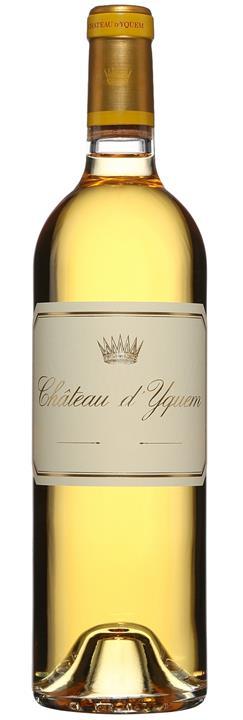 Bordeaux (Sauternes)
Château d'Yquem
Château d'Yquem · 2020
White Blend
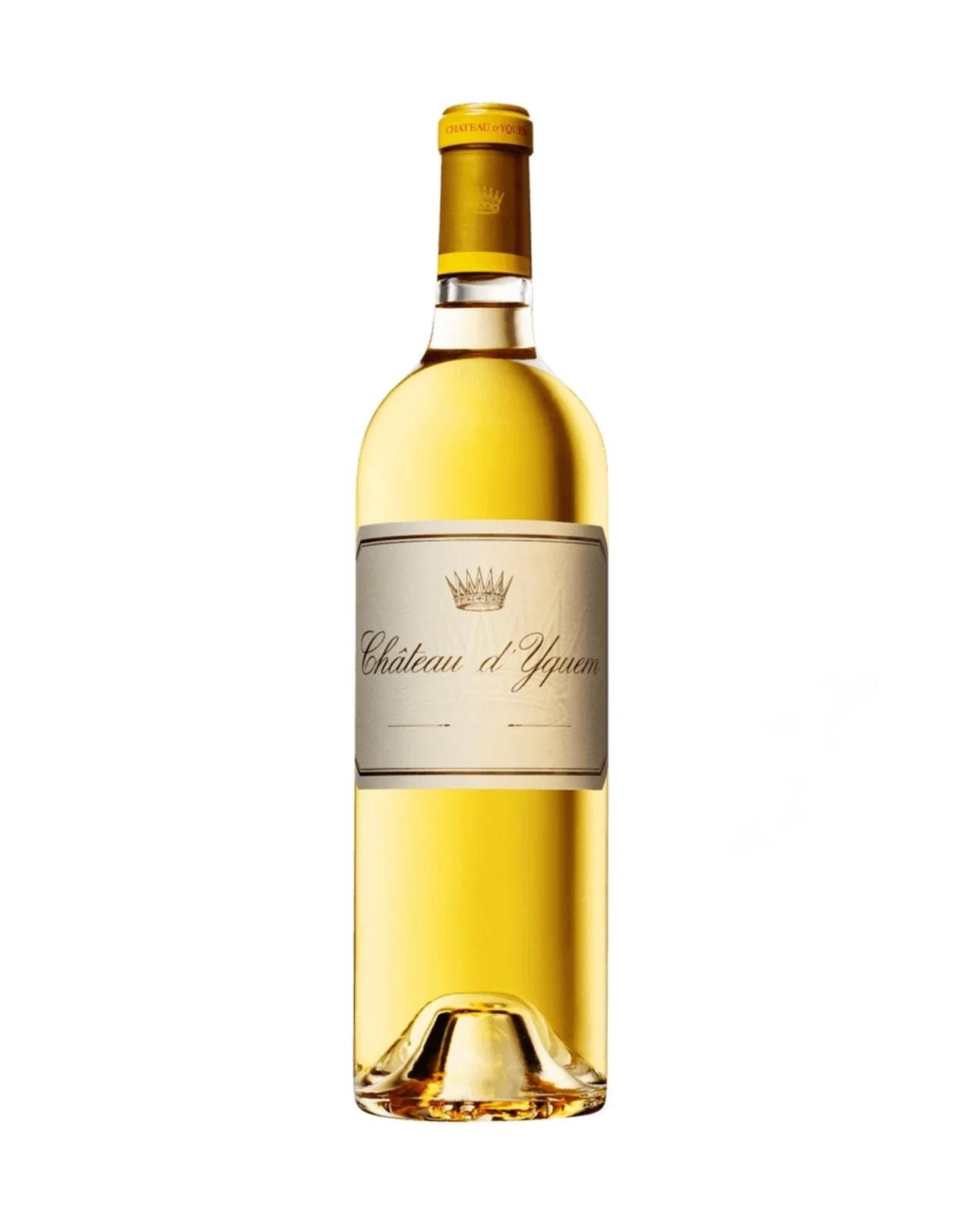 Bordeaux (Sauternes)
Château d'Yquem
Château d'Yquem · 2020
Dessert Blend
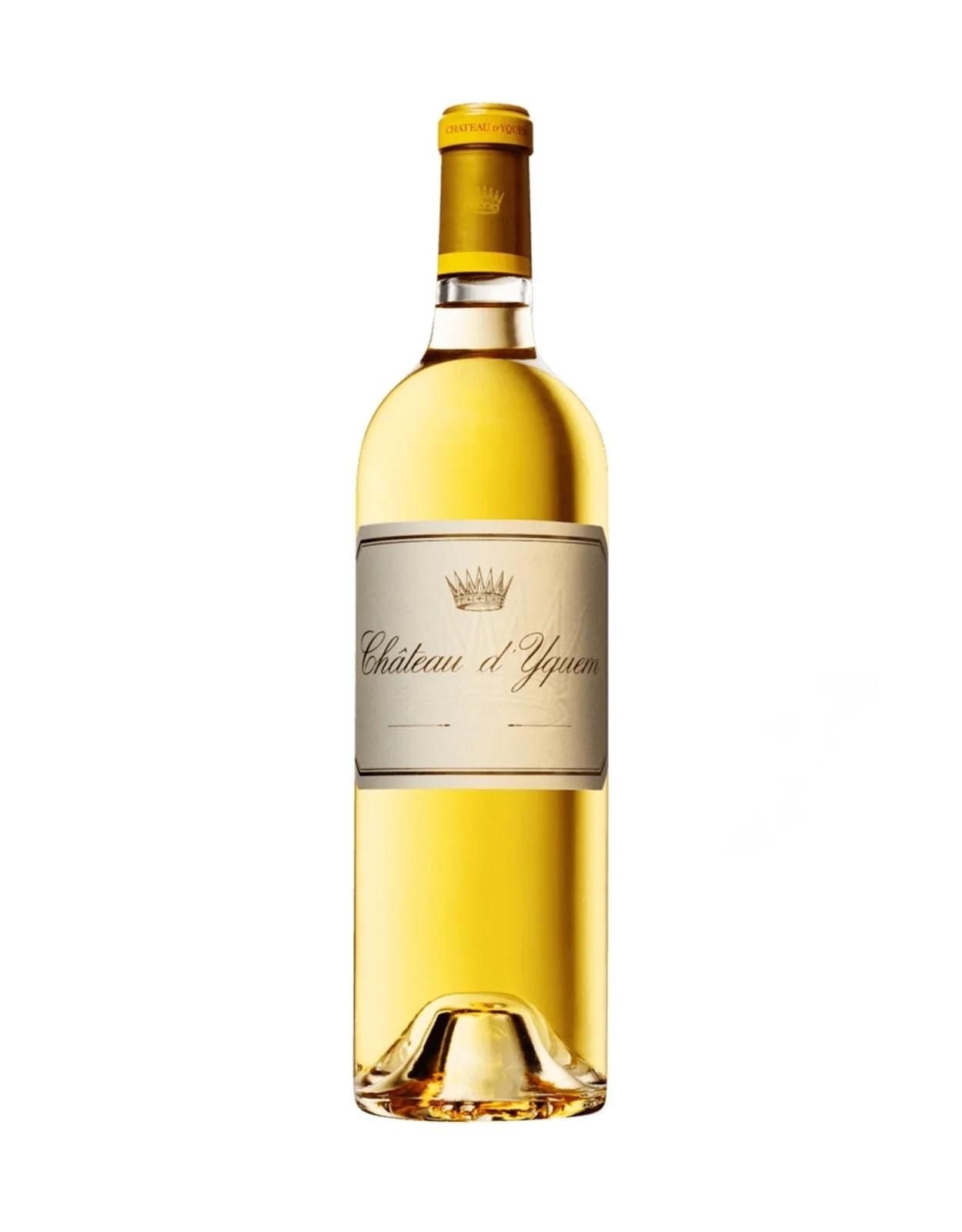 Bordeaux (Sauternes)
Château d'Yquem
Château d'Yquem · 2022
White Blend
 Bordeaux (Sauternes)
Château d'Yquem
Château d'Yquem · 2019
White Blend
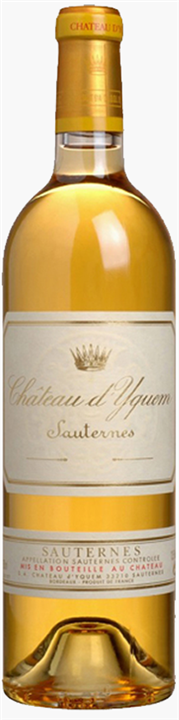 Bordeaux (Sauternes)
Château d'Yquem
Château d'Yquem · 2021
White Blend
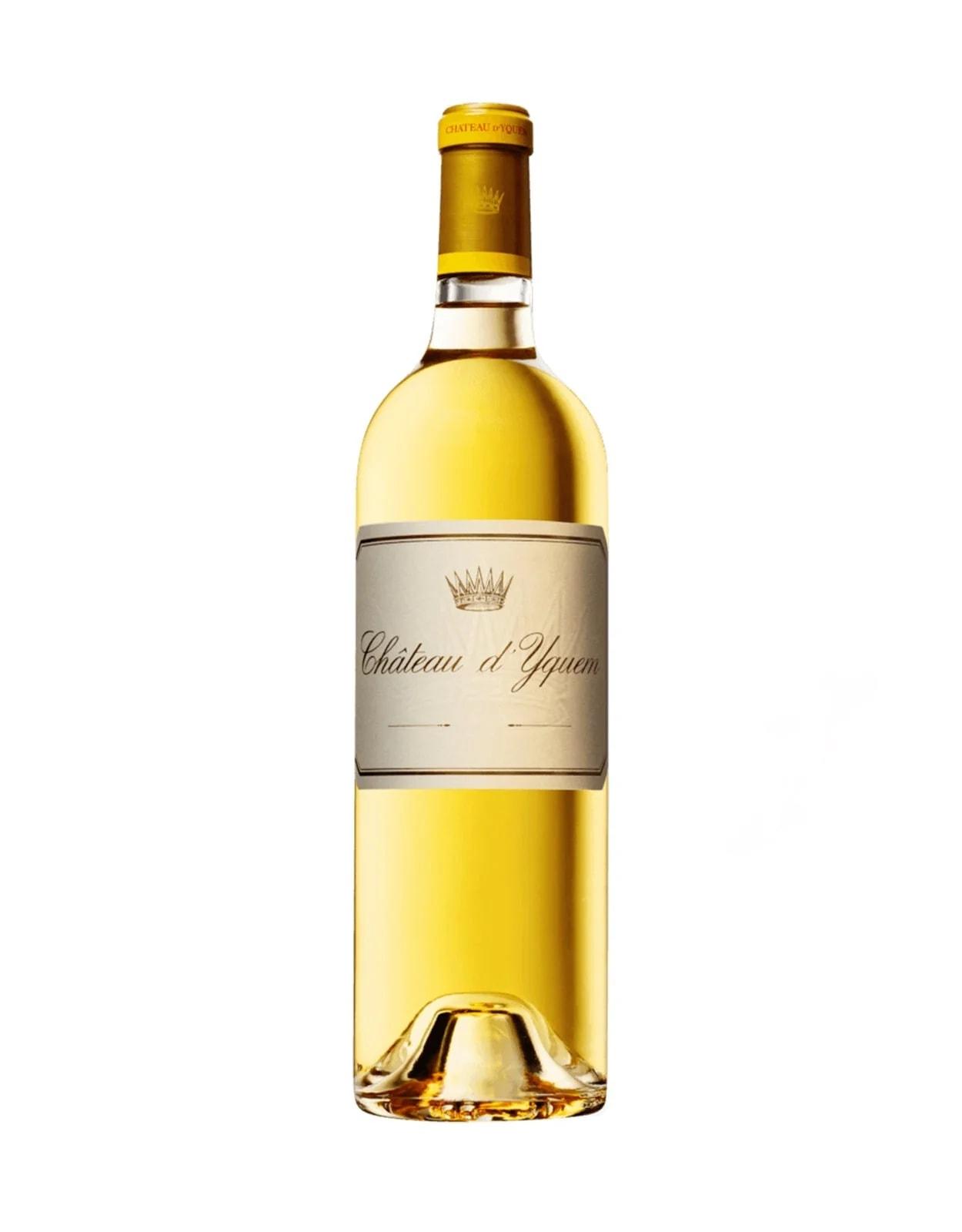 Bordeaux (Sauternes)
Château d'Yquem
Château d'Yquem · 2016
White Blend
Bordeaux (Sauternes)Château d'Yquem
Château d'Yquem · 2016
White Blend
 Bordeaux (Sauternes)
Château d'Yquem Magnum
Château d'Yquem · 2021
White Blend
 Bordeaux (Sauternes)
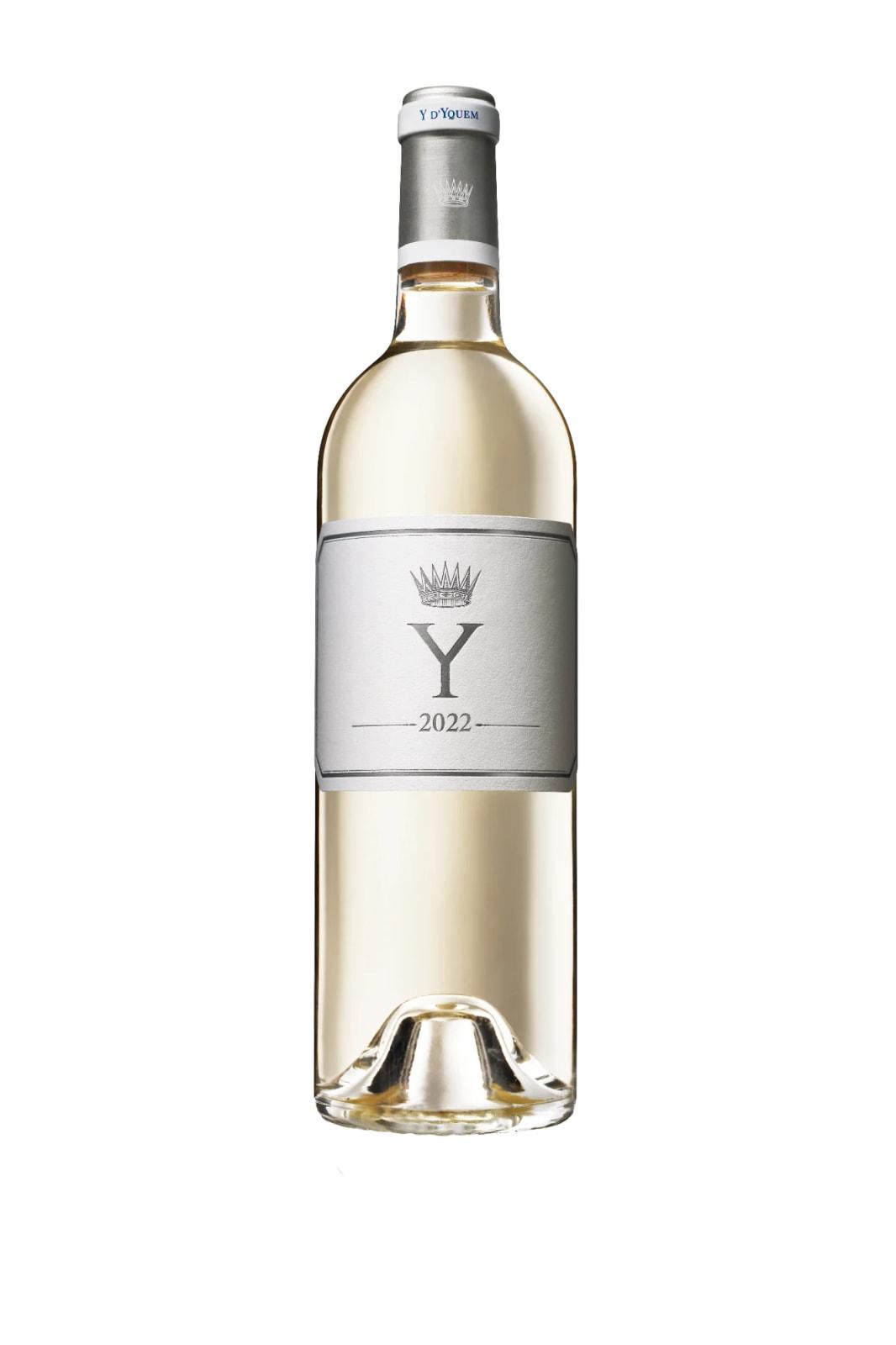
Y d'Yquem Magnum
Château d'Yquem · 2022
White Blend
Bordeaux (Sauternes)Château d'Yquem
Château d'Yquem · 2022
White Blend
 Bordeaux (Sauternes)
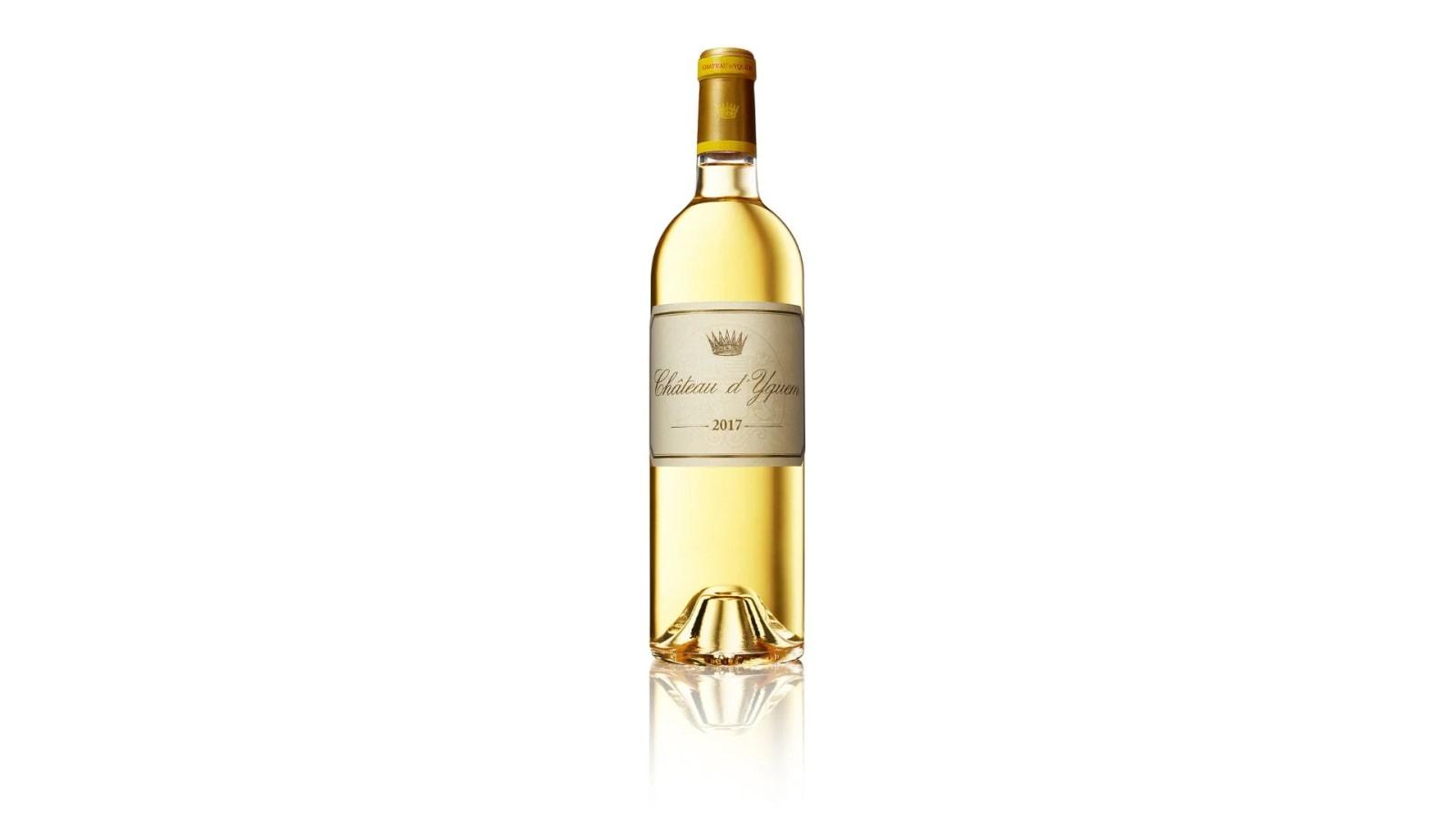
Château d'Yquem
Château d'Yquem · 2017
White Blend
 Bordeaux (Sauternes)
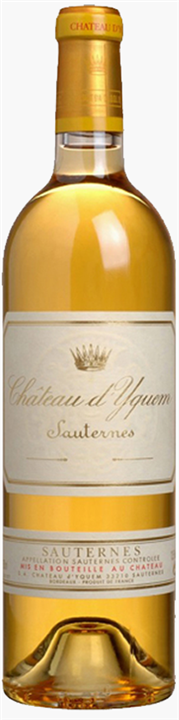
Château d'Yquem
Château d'Yquem · 2021
White Blend
 Bordeaux (Sauternes)
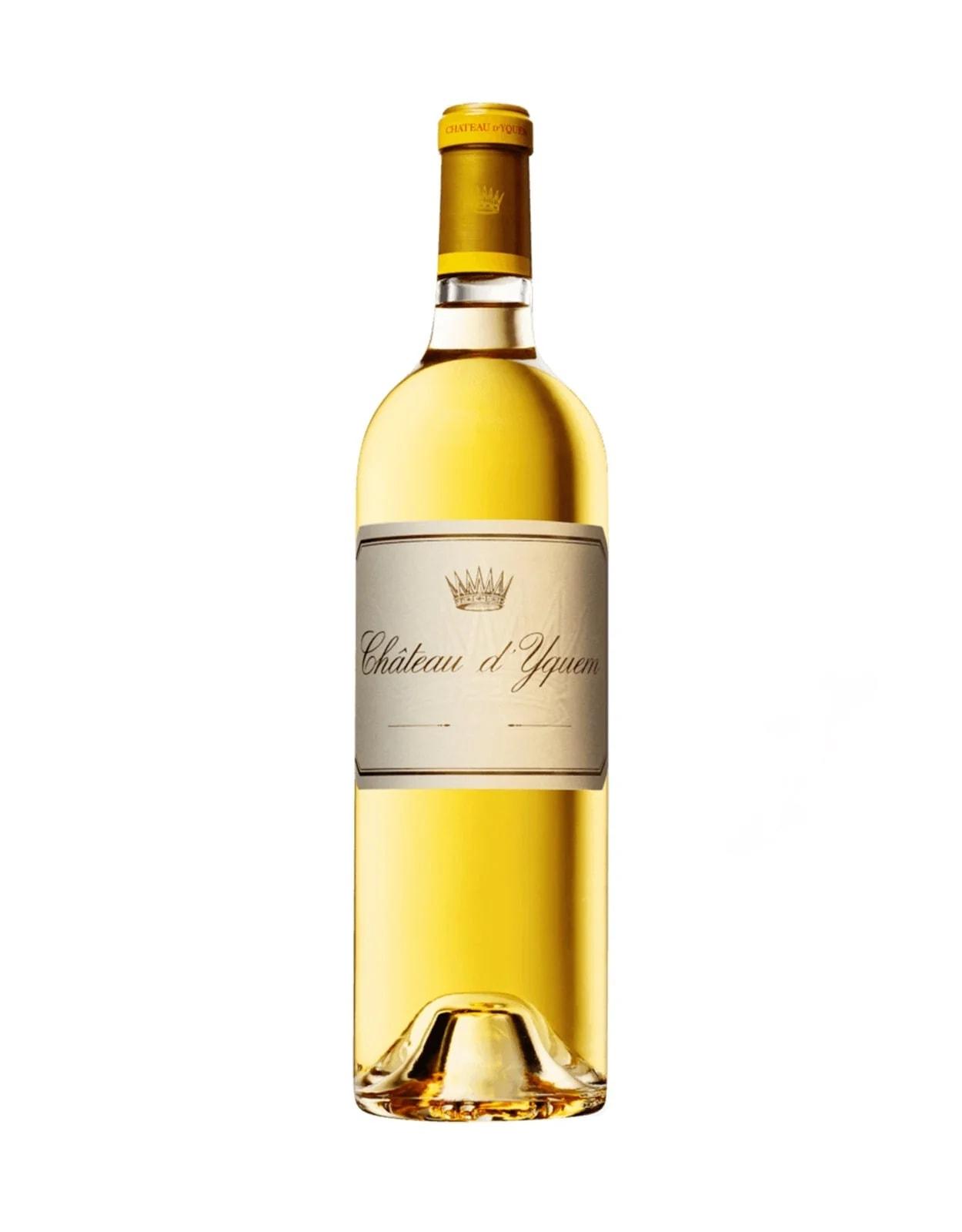
Château d'Yquem
Château d'Yquem · 1998
White Blend