Producer
Château Cos d'Estournel
 Saint-Estèphe, Bordeaux, France
Louis Gaspard d'Estournel founded the estate in 1811 after inheriting land in the commune of Saint Estèphe in 1791. Known as the Maharajah of Saint Estèphe, he commissioned an architectural style for the property featuring oriental pagodas, influenced by his extensive wine exports to India. The estate was classified as a Second Growth in the 1855 Bordeaux classification. Ownership changed several times after his death in 1852, passing through the Martyns, Errazu, Hostein, and Charmolue families. In 1917, it was acquired by Fernand Ginestet, eventually becoming part of the Prats family holdings. Entrepreneur Michel Reybier purchased the property in 2000 and remains the current owner.
The vineyard covers approximately 91 hectares on a ridge of deep gravel and clay, situated just north of the border with Pauillac. The name Cos translates to hill of pebbles in the old Gascon dialect, reflecting the stony composition of the soil. Planting is dominated by Cabernet Sauvignon at about 60 percent, with nearly 40 percent Merlot and small amounts of Cabernet Franc and Petit Verdot. This high proportion of Merlot distinguishes it from many neighboring Médoc estates. Under the direction of technical director Dominique Arangoïts, the winery was renovated in 2008 to install a modern gravity flow system. This facility uses four liftable vats to move grapes and wine without mechanical pumps, preserving the integrity of the fruit during fermentation and aging.
The estate produces its flagship red wine, Château Cos d'Estournel, which is aged for 18 months in new French oak barrels. A second wine named Les Pagodes de Cos was introduced in 1994, primarily sourced from younger vines. The portfolio also includes a rare white wine, Cos d'Estournel Blanc, and a Médoc bottling called Goulée. Recognized as a leading Super Second, the property is frequently cited for producing wines that rival the First Growths in quality and longevity. The style is characterized by a dense and powerful structure with significant aging potential, often reaching peak maturity only after several decades in the cellar.
Wines from Château Cos d'Estournel
8 wines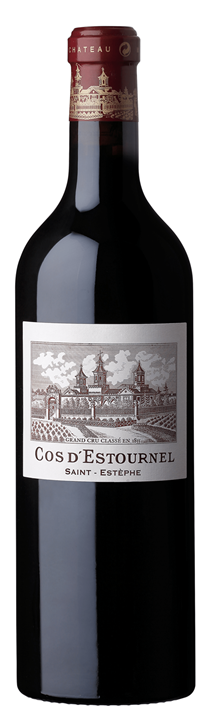 Bordeaux (Saint-Estèphe)
Château Cos d'Estournel
Château Cos d'Estournel · 2021
Red Blend
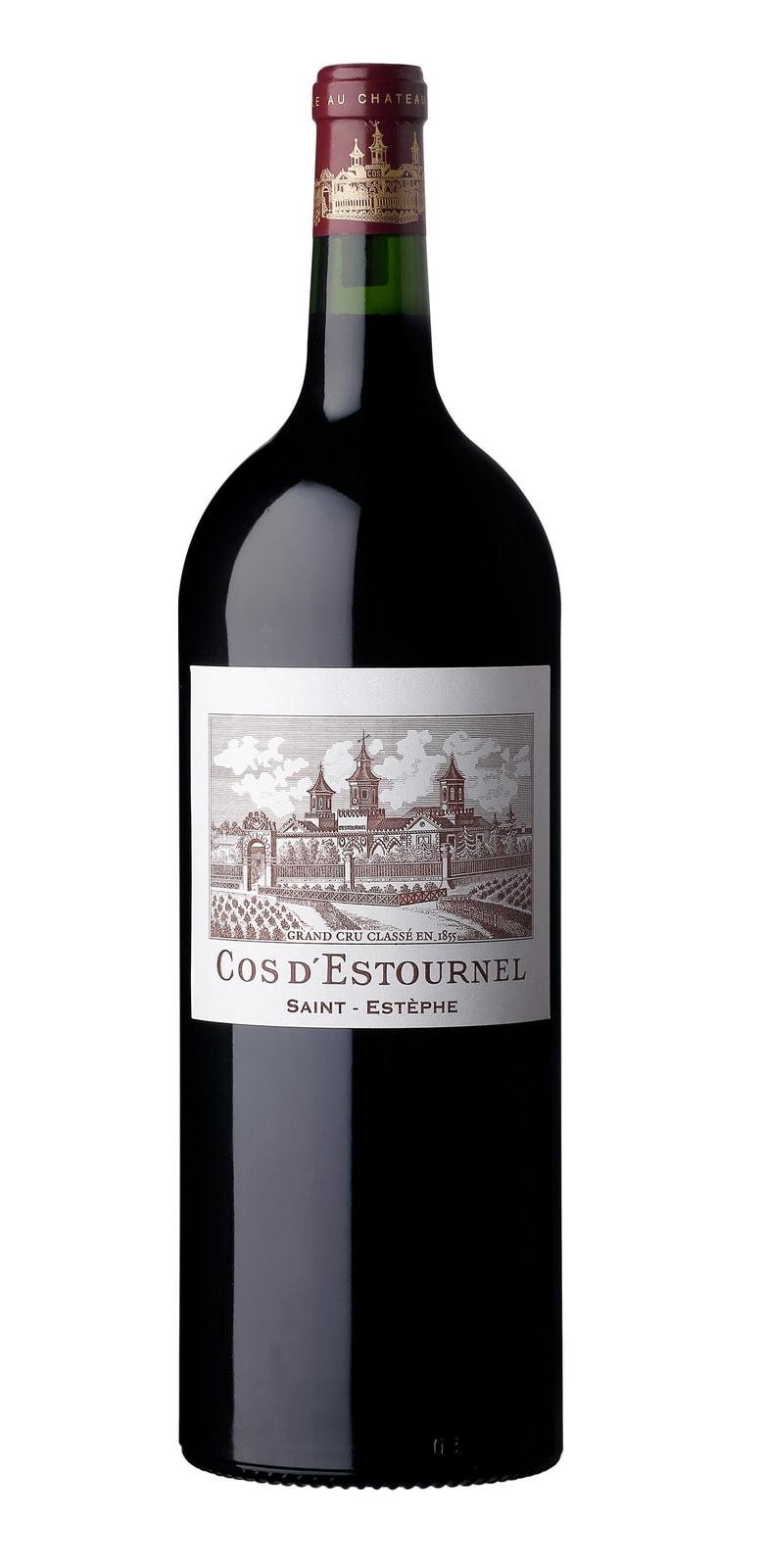 Bordeaux (Saint-Estèphe)
Château Cos d'Estournel
Château Cos d'Estournel · 2023
Red Blend
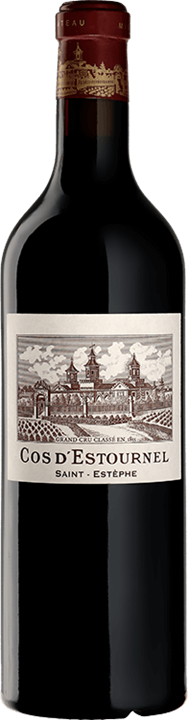 Bordeaux (Saint-Estèphe)
Château Cos d'Estournel
Château Cos d'Estournel · 2022
Red Blend
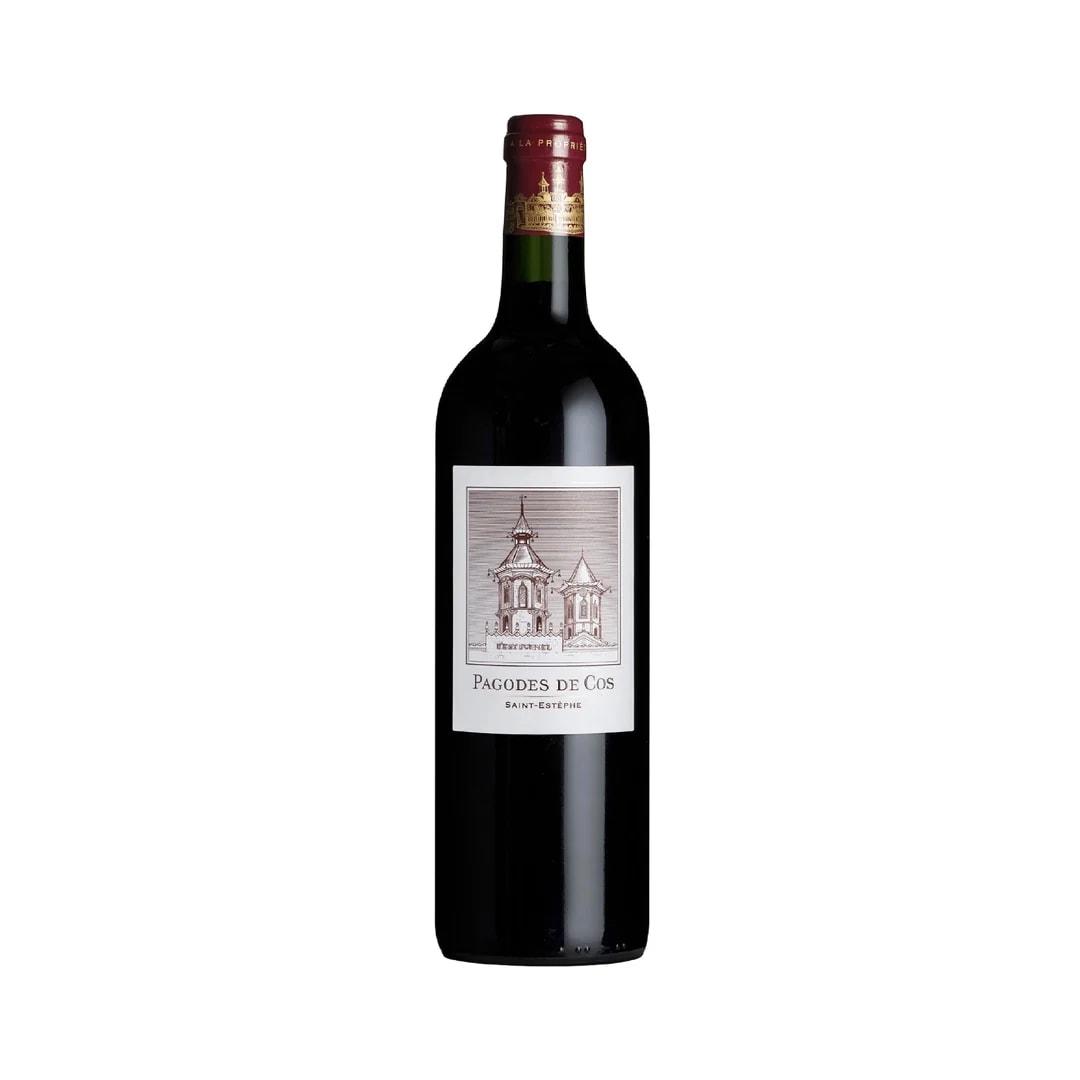 Bordeaux (Saint-Estèphe)
Les Pagodes de Cos
Château Cos d'Estournel · 2016
Red Blend
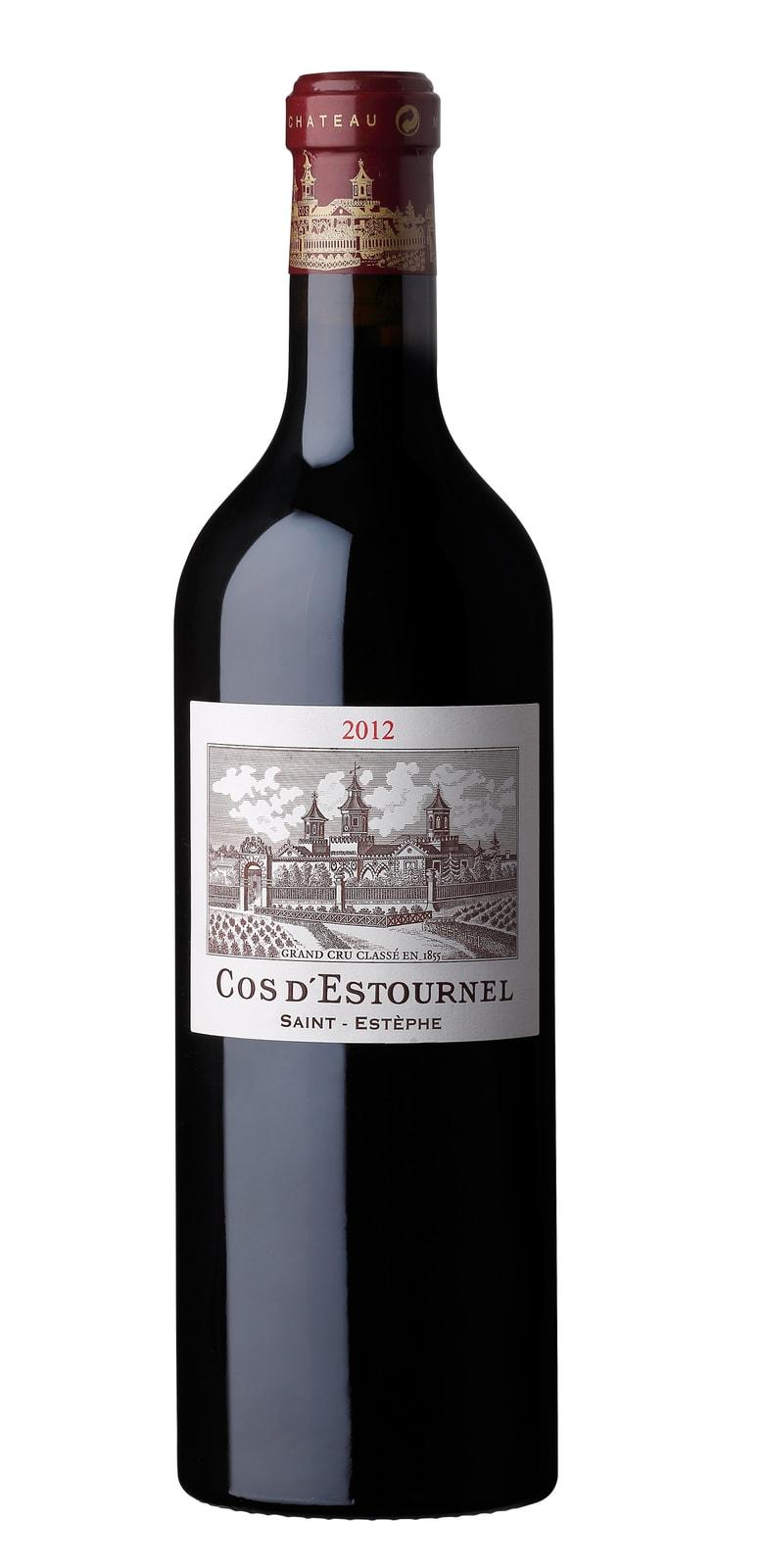 Bordeaux (Saint-Estèphe)
Château Cos d'Estournel
Château Cos d'Estournel · 2012
Red Blend
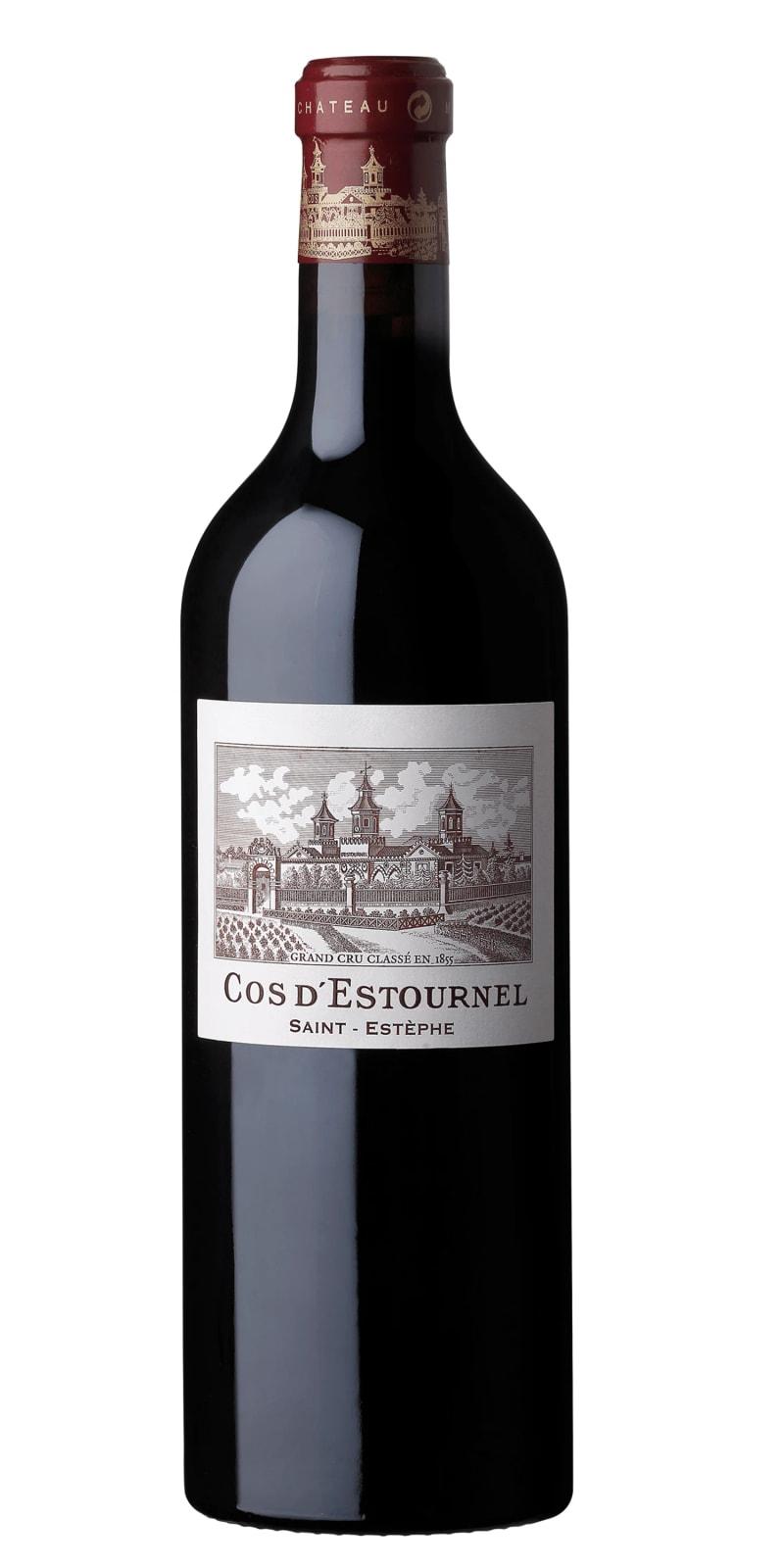 Bordeaux (Saint-Estèphe)
Château Cos d'Estournel
Château Cos d'Estournel · 2008
Red Blend
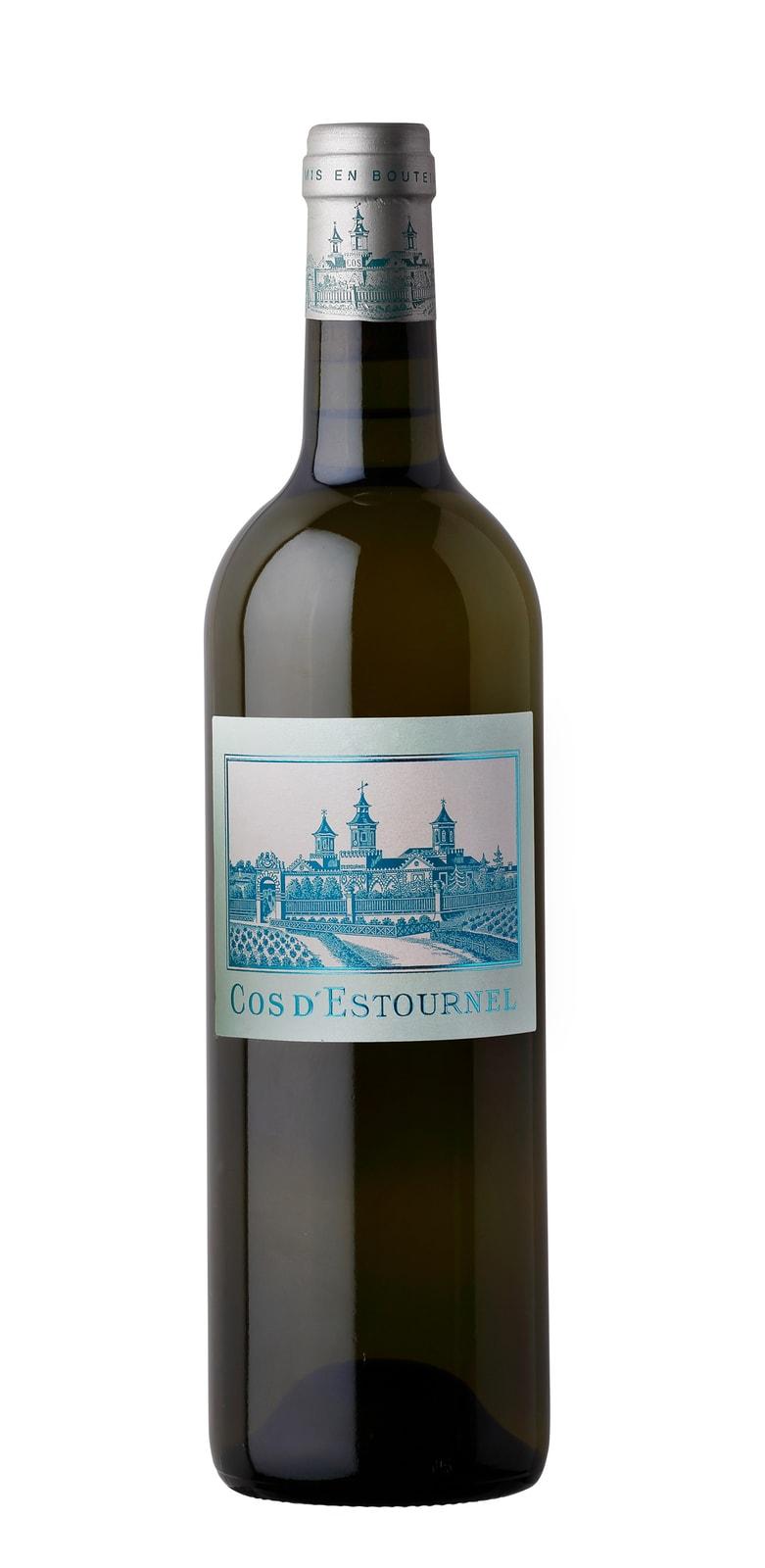 Bordeaux (Bordeaux Blanc)
Château Cos d'Estournel Blanc
Château Cos d'Estournel · 2023
White Blend
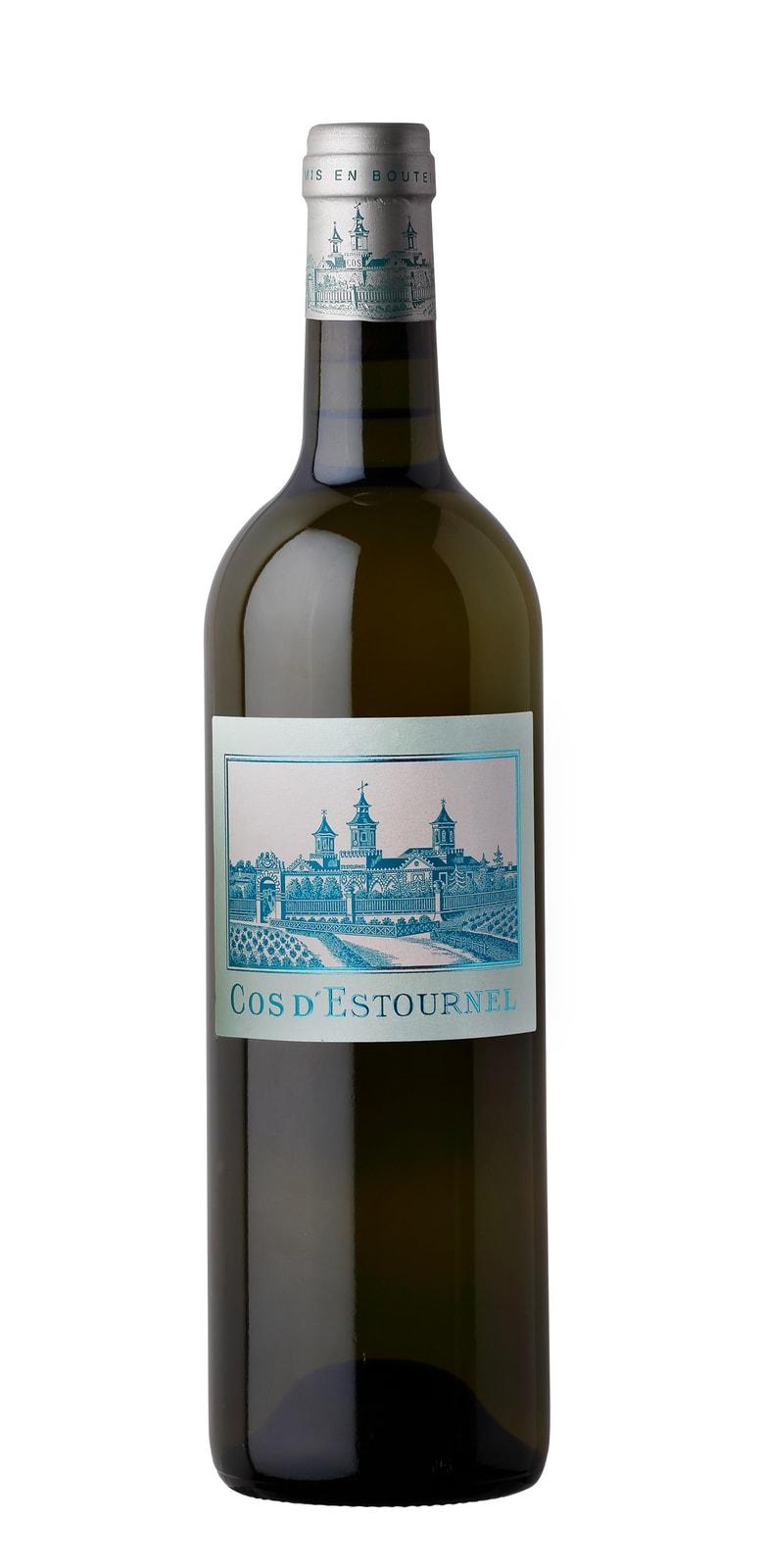 Bordeaux (Bordeaux Blanc)
Château Cos d'Estournel Blanc
Château Cos d'Estournel · 2022
White Blend