Producer
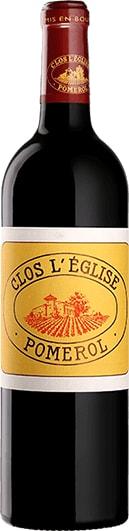
Château Clos l'Église
 Pomerol, Bordeaux, France
Château Clos l'Église is one of the oldest properties in the Pomerol appellation, with origins dating to the 18th century. At that time, it was a 14 hectare estate, which was exceptionally large for the region. Following inheritance divisions in the mid 19th century, the land was split into two parts, creating the modern Clos l'Église and the neighboring Clos l'Église Clinet. The Rouchut family maintained ownership of the property for several generations until it was purchased in 1997 by Sylviane Garcin Cathiard. Today, the estate is part of the Vignobles Garcin portfolio and is managed by Hélène Garcin Lévêque and her husband, Patrice Lévêque.
The vineyard spans approximately 6 hectares on the high plateau of Pomerol, situated near the local cemetery and across from Château l'Église Clinet. The terroir is composed of clay and gravel soil resting on a subsoil of iron oxide, locally known as crasse de fer. The vineyard is currently planted with 80 percent Merlot and 20 percent Cabernet Franc, with an average vine age of roughly 35 years. Winemaking involves fermentation in temperature controlled wooden vats of 60 hectoliters. The team employs manual punch downs to manage extraction and ages the wine in 100 percent new French oak barrels for 16 to 18 months.
The estate is known for a style of wine that combines the density and power of the Pomerol plateau with a refined aromatic profile. Since the acquisition by the Garcin family, the property has undergone significant modernization and technical investment to improve quality. While Pomerol does not have an official classification system, the wine is recognized as a high tier offering within the appellation. The property also produces a second wine called Esprit de l'Église, which typically comes from the younger vines or sandier parts of the vineyard. Total annual production of the primary wine is limited to approximately 2,000 cases.