Producer
Château Ausone
 Saint-Émilion, Bordeaux, France
Château Ausone takes its name from Decimus Magnus Ausonius, a fourth-century Roman poet and consul who reportedly owned a villa and vineyards on this site. While archaeological remains of a Roman villa exist on the property, the modern history of the estate is tied to several distinct family eras. The Lescours family held the land from the 13th to the 16th century, followed by the Chatonnet and Cantenat families. The Vauthier family, the current owners, first acquired an interest in the estate in 1690. Following a period of joint ownership and legal disputes with the Dubois-Challon family, Alain Vauthier and his sister Catherine secured full control of the property in the mid-1990s.
The vineyard covers approximately seven hectares on a steep, south-facing slope and a limestone plateau just outside the village of Saint-Émilion. The terroir consists of a thin layer of soil over asteriated limestone on the upper plateau, with clay and limestone molasse on the slopes. Cabernet Franc accounts for 55 percent of the plantings, while Merlot makes up 45 percent, with a small amount of Cabernet Sauvignon also present. Many of the vines are over 50 years old, including some Cabernet Franc parcels dating back to 1906. The estate employs organic and biodynamic viticultural practices. Winemaking occurs in temperature-controlled oak vats, followed by aging for approximately 20 months in French oak barrels. The estate matures its wines in galleries cut directly into the limestone hillside, which were originally used as stone quarries for building the walls of Saint-Émilion.
The estate was one of the two original properties ranked as Premier Grand Cru Classé A in the initial 1955 Saint-Émilion classification. It maintained this status for decades but chose to withdraw from the classification system starting with the 2022 vintage, citing disagreements over the ranking criteria. Its flagship wine is noted for its mineral character, high tannin levels, and potential for long aging. Total production is limited to approximately 20,000 bottles per year. In addition to the grand vin, the property produces a second wine called Chapelle d'Ausone, which incorporates fruit from younger vines and a higher proportion of Merlot.
Wines from Château Ausone
7 wines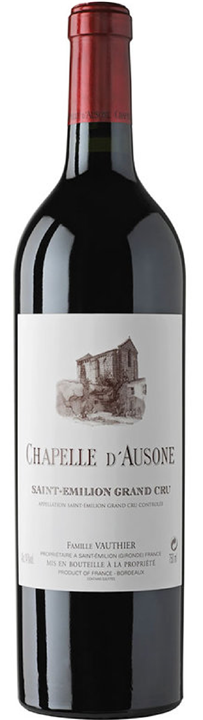 Bordeaux (Saint-Émilion)
Chapelle d'Ausone
Château Ausone · 2021
Red Blend
 Bordeaux (Saint-Émilion)
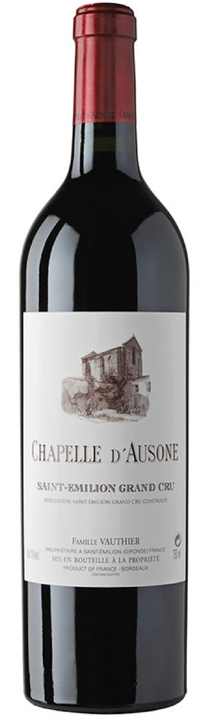
Chapelle d'Ausone
Château Ausone · 2022
Red Blend
 Bordeaux (Saint-Émilion)
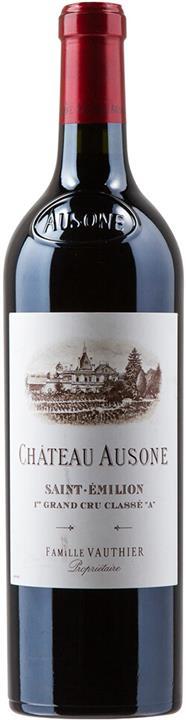
Château Ausone
Château Ausone · 2022
Red Blend
 Bordeaux (Saint-Émilion)
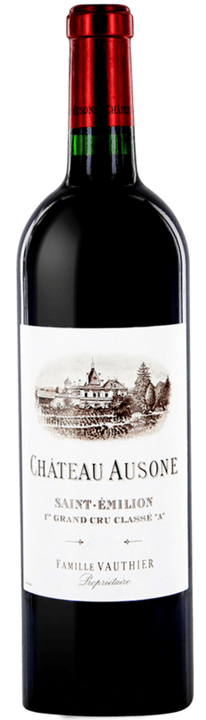
Château Ausone
Château Ausone · 2021
Red Blend
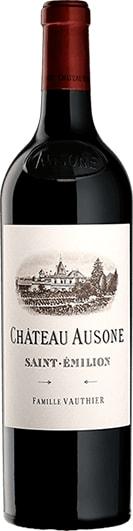 Bordeaux (Saint-Émilion)
Château Ausone
Château Ausone · 2015
Red Blend
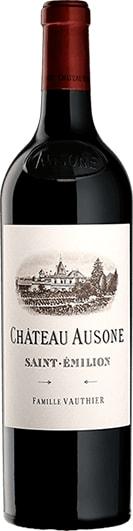 Bordeaux (Saint-Émilion)
Château Ausone
Château Ausone · 2016
Red Blend
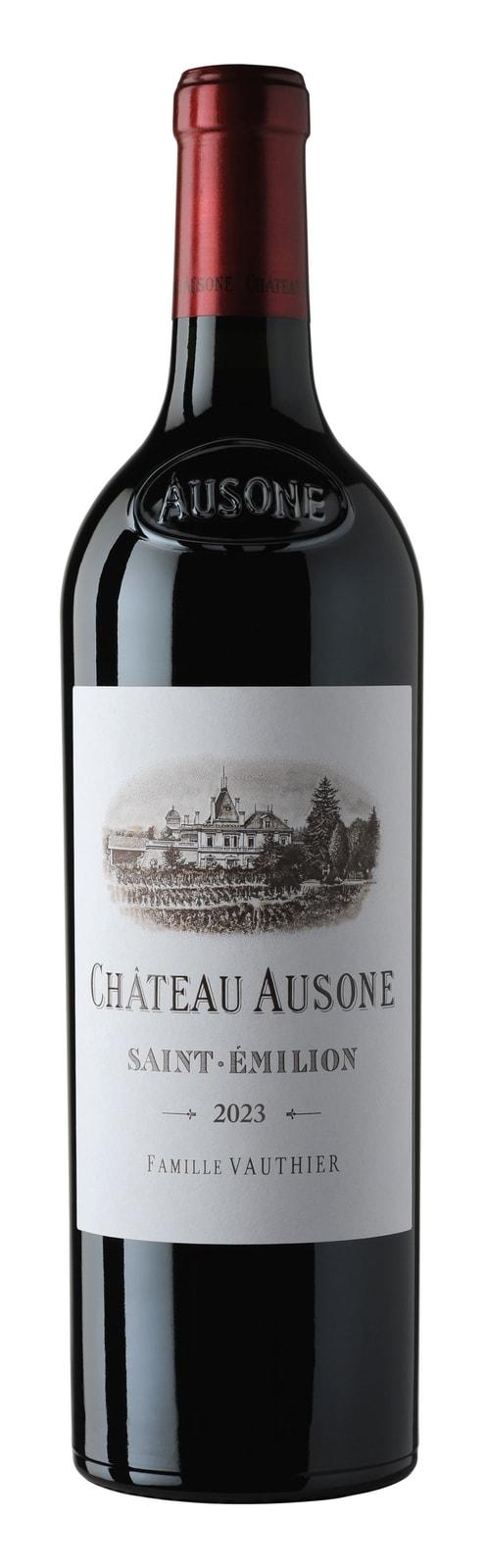 Bordeaux (Saint-Émilion)
Château Ausone
Château Ausone · 2023
Red Blend