Producer
Château Angélus
 Saint-Émilion Grand Cru, Bordeaux, France
Jean de Boüard de Laforest settled in Saint-Émilion in 1782. His descendants managed the property for centuries, though the modern estate took shape in the early 20th century. Maurice de Boüard de Laforest inherited the Domaine de Mazerat in 1910 and expanded the holdings. In 1922, his wife, Elisabeth Bouchet, purchased a 3.5-hectare parcel known as Clos de l’Angélus. This name, referring to the prayer bell, eventually became the primary label for the entire property. Hubert de Boüard de Laforest took control in 1985 and implemented modern viticultural techniques such as green harvesting and aging on the lees. His daughter, Stéphanie de Boüard-Rivoal, became the managing director and CEO in 2012, marking the eighth generation of family leadership.
The vineyards occupy south-facing slopes within a natural amphitheater that provides optimal sun exposure and drainage. The terroir is divided between clay-limestone soils on the hillsides and sandy-clay-limestone at the base. The estate is notable for its significant planting of Cabernet Franc, which represents 47 percent of the vineyard area. Merlot covers 50 percent of the land, while Cabernet Sauvignon contributes 3 percent. Winemaking practices include manual harvesting and fermentation in temperature-controlled vats made of stainless steel, concrete, and oak. The wine matures for 18 to 22 months in 100 percent new French oak barrels. In 2021, the estate officially completed its conversion to organic viticulture. A new gravity-fed cellar designed by architect Olivier Chadebost was completed in 2024 to refine the vinification process.
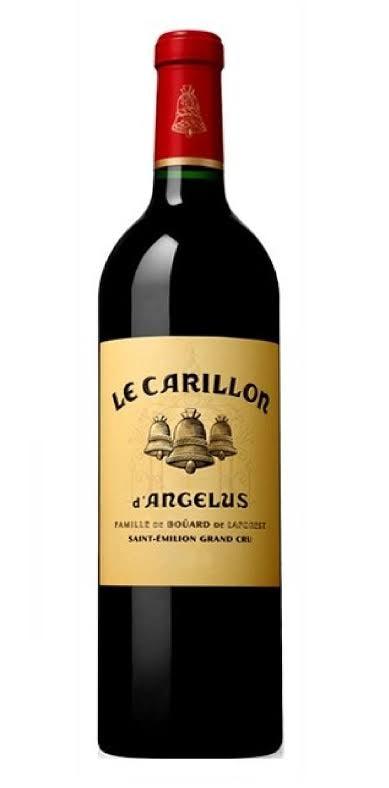
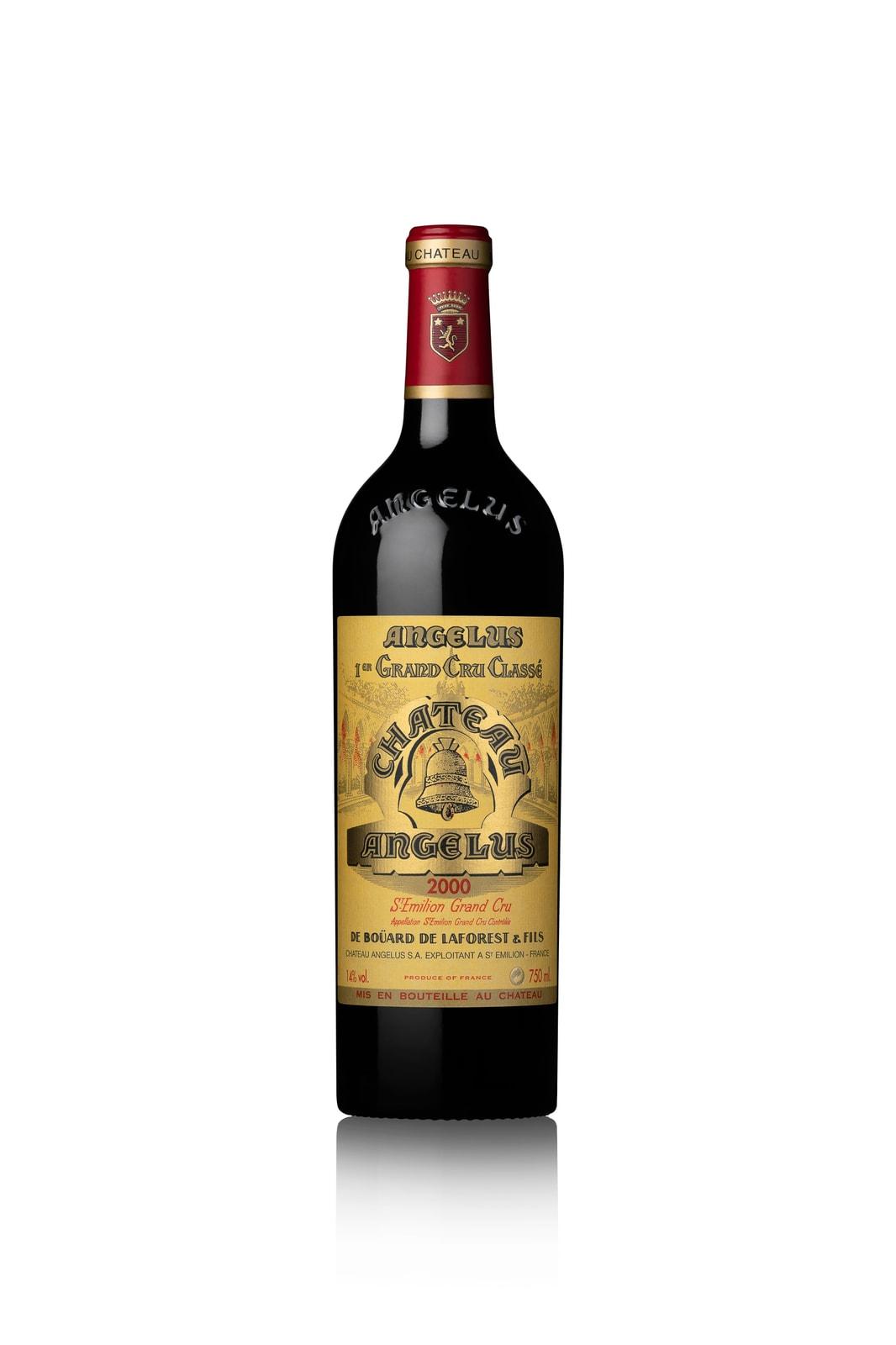
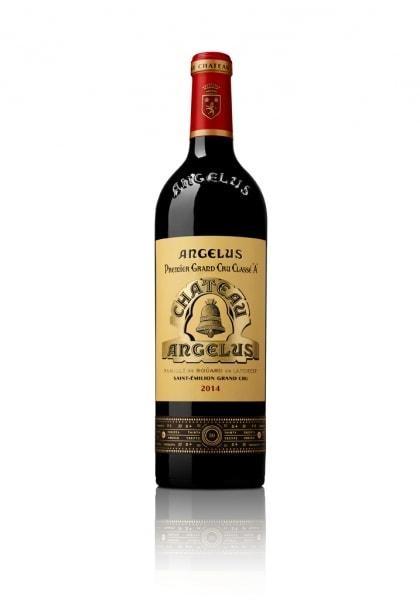
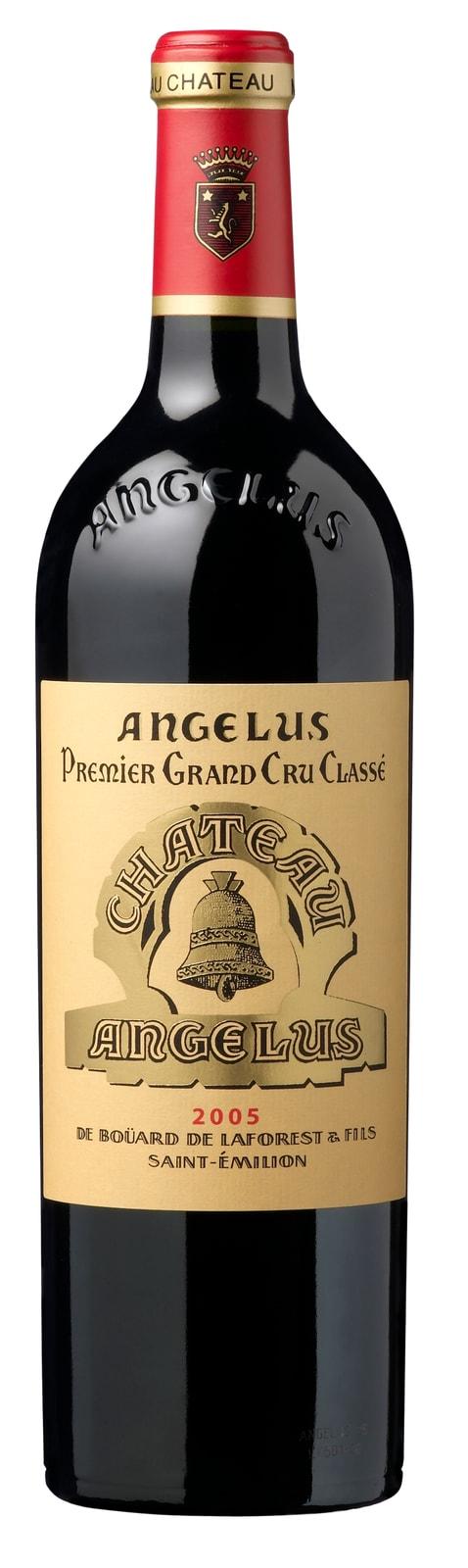
The flagship wine, Château Angélus, is characterized by its label featuring a golden bell. This symbol honors the bells of the Mazerat chapel, the church of Saint-Martin, and the church of Saint-Émilion, all of which can be heard from the vineyards. The wine was first classified as a Grand Cru Classé in 1954 and reached the peak rank of Premier Grand Cru Classé A in 2012. However, the estate withdrew from the Saint-Émilion classification in early 2022. In addition to the Grand Vin, the property produces Le Carillon d’Angélus, a second wine first released in 1987, and a third wine titled No. 3 d’Angélus. A fourth label, Tempo d’Angélus, was introduced in 2022 as a Bordeaux AOP wine.
Wines from Château Angélus
8 wines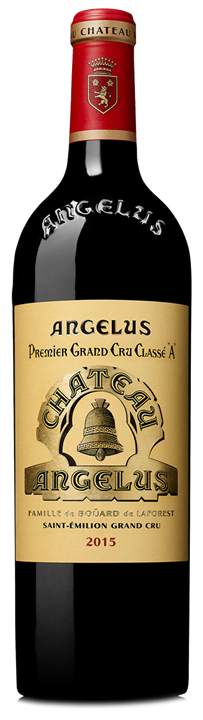 Bordeaux (Saint-Émilion)
Château Angélus
Château Angélus · 2021
Red Blend
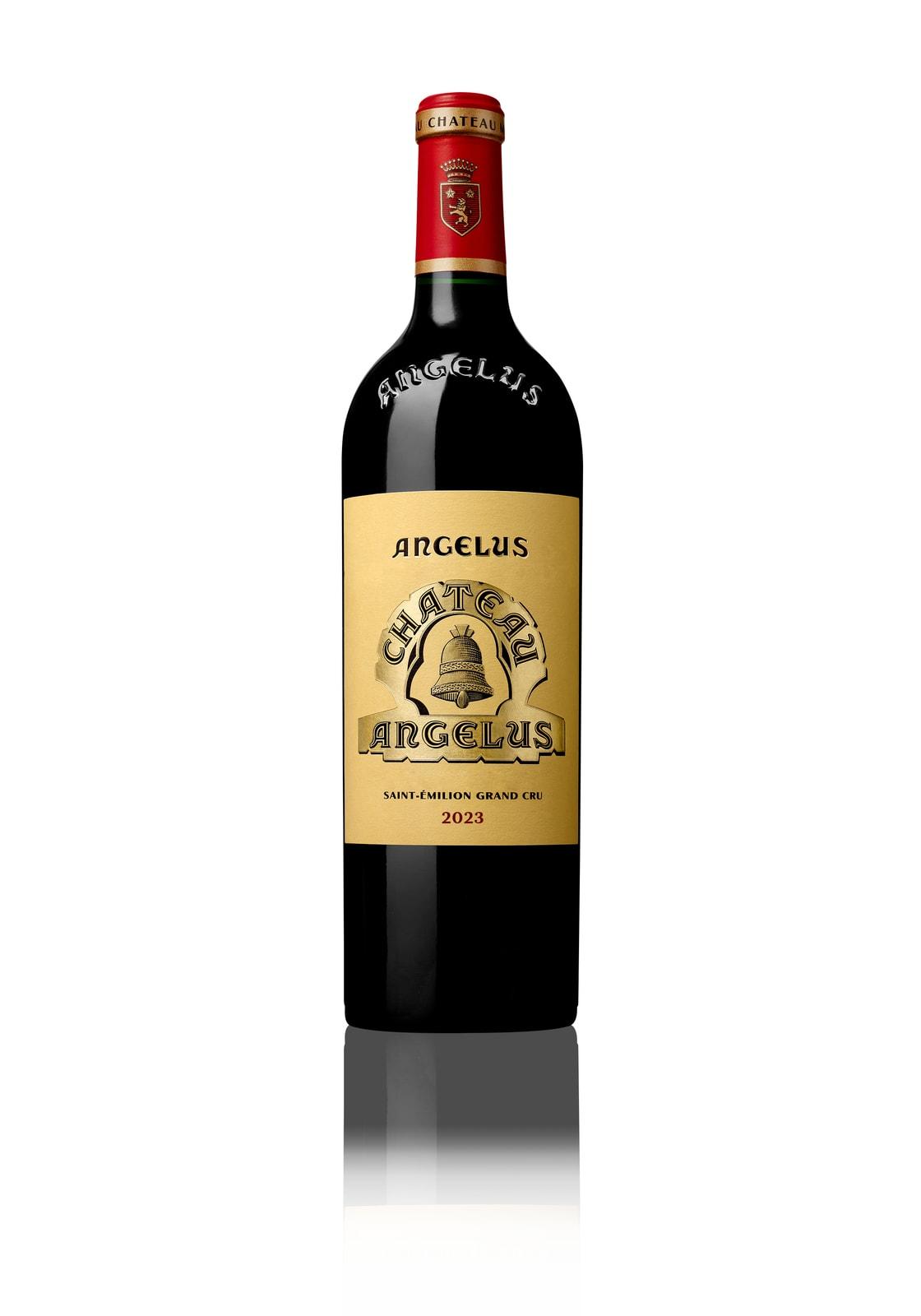 Bordeaux (Saint-Émilion)
Château Angélus
Château Angélus · 2023
Red Blend
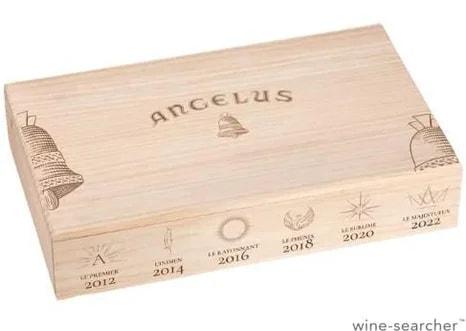 Bordeaux (Saint-Émilion)
Château Angélus Decade Case
Château Angélus · NV
Red Blend
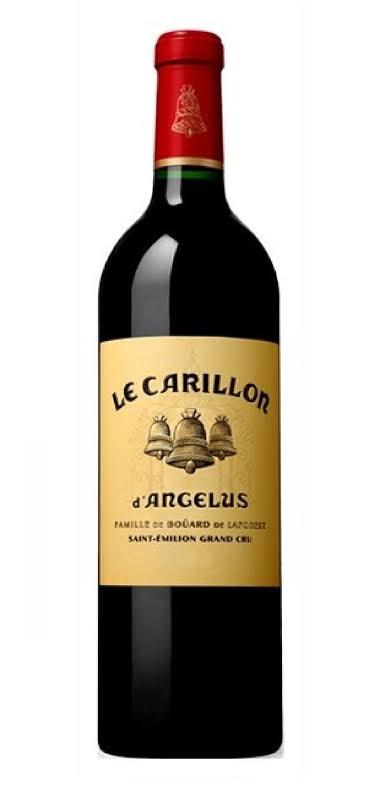 Bordeaux (Saint-Émilion Grand Cru)
Le Carillon d'Angélus
Château Angélus · 2022
Red Blend
 Bordeaux (Saint-Émilion Grand Cru)
Le Carillon d'Angélus
Château Angélus · 2019
Red Blend
 Bordeaux (Saint-Émilion)
Château Angélus
Château Angélus · 2000
Red Blend
 Bordeaux (Saint-Émilion)
Château Angélus
Château Angélus · 2014
Red Blend
 Bordeaux (Saint-Émilion)
Château Angélus
Château Angélus · 2005
Red Blend