Producer
Domaine Bruno Gobillard
 Pierry, Champagne, France
The Gobillard family has cultivated vines in the village of Pierry since the 18th century. While ancestors such as Paul Gobillard began commercializing champagne under the family name as early as 1858, the specific estate of Domaine Bruno Gobillard was established in 1990. Bruno and his wife Sophie represent the sixth generation of winegrowers in the region. After years of working within the broader family lineage, Bruno elected to launch his own independent label at the age of 28. This move allowed him to focus on small scale production using the most prestigious plots from his family heritage.
The estate manages approximately seven hectares of vineyards divided into 27 distinct parcels located in several villages surrounding Epernay, including Moussy, Cramant, Châtillon sur Marne, and the premier cru of Pierry. The vines average between 50 and 60 years of age and are farmed with a focus on soil health through regular plowing and grass cover between the rows. To maintain high standards, the domaine sells roughly half of its total harvest to larger merchant houses, reserving only the highest quality fruit from the oldest vines for its own labels. In the cellar, the grapes are subjected to a long, gentle pressing separated by individual parcel. Bruno blocks malolactic fermentation to preserve the natural acidity of the fruit, fermenting the wines in small, temperature controlled vats before aging them in 18th century chalk cellars.
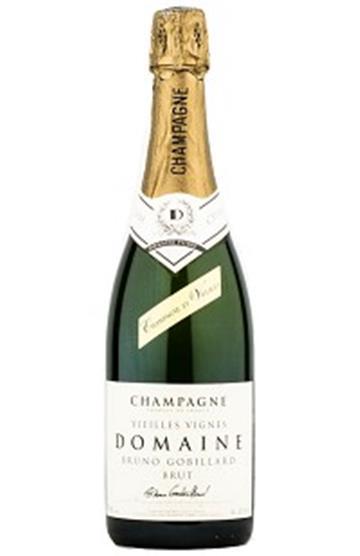
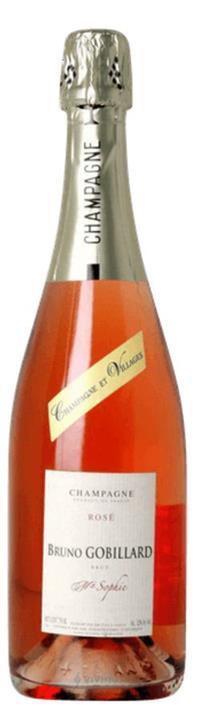
Annual production is limited to approximately 25,000 bottles, emphasizing precision and site expression. The signature wine is the Vieilles Vignes Brut, which typically blends Pinot Meunier, Chardonnay, and Pinot Noir from the estate's most mature plots. Other notable bottlings include the Cuvée XVIII and the Rosé Mlle Sophie, a wine named for Bruno's wife. These wines have earned a reputation for a lean, mineral driven style characterized by citrus notes and vibrant acidity. The estate continues the tradition of hand riddling and maintains a minimal dosage philosophy to ensure the final champagne reflects the specific characteristics of the grapes.