Producer
Armand Heitz
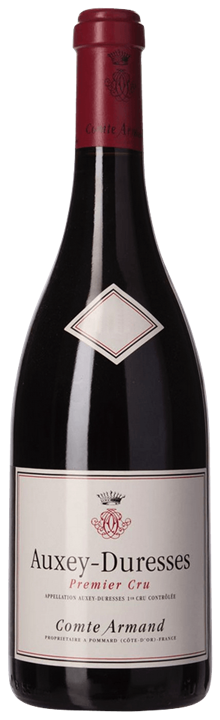
 Auxey-Duresses 1er Cru, Burgundy, France
Armand Heitz operates a Burgundy estate with historical roots extending back to the nineteenth century through the Nié Vantey family. In the early 1900s, Georges Lochardet preserved the family holdings in the Côte de Beaune following the phylloxera crisis. The domaine took the name Heitz Lochardet in 1983 when his granddaughter, Brigitte, married Christian Heitz. For twenty five years, the family leased their vineyard parcels to the négociant house Joseph Drouhin, which maintained the vines organically. In 2011, Armand Heitz returned to the estate after earning his oenology degree in Switzerland and began reclaiming the family lands as the leases expired. He released his first commercial vintage in 2013 and transitioned all bottlings to the Armand Heitz label starting with the 2019 vintage.
The estate manages approximately twenty hectares of vineyards across noted appellations including Chassagne Montrachet, Meursault, Volnay, and Pommard. Armand Heitz has moved beyond organic viticulture to implement regenerative agriculture and permaculture principles. This holistic approach integrates livestock such as cattle and sheep into the vineyard cycles to naturally fertilize the soil and manage ground cover. In the cellar, the winemaking style emphasizes the expression of individual vineyard sites with minimal technical intervention. Red wines are typically produced using a high proportion of whole cluster fermentation, while white wines are aged in oak barrels with a restrained use of new wood to maintain clarity and freshness.
The producer is recognized for a wide portfolio that includes plots in Chevalier Montrachet, Pommard Rugiens, and Auxey Duresses Premier Cru. Beyond viticulture, the operation has expanded into a diverse farming enterprise based at the Château de Mimande, where the team produces meat and vegetables alongside wine. This diversification reflects a commitment to agroecology and circular economy practices that are relatively rare in the region. The wines have gained a reputation for their aromatic purity and structural integrity, positioning Armand Heitz as a figure among the new generation of Burgundian vignerons focusing on environmental sustainability.