Producer
Alphonse Mellot
 Sancerre, Loire Valley, France
The Mellot family has a documented history in Sancerre dating back to 1513. In 1698, César Mellot was appointed as a wine advisor to King Louis XIV, a role that brought significant recognition to the family name and its production. The modern commercial era of the winery began in the early 19th century with the establishment of a tavern in Sancerre to serve local wines. In 1881, the family secured a license to ship their wines across France and to international markets. Today, the estate is managed by Alphonse Mellot, representing the 19th generation of the lineage, along with his sister Emmanuelle. They manage the business from historic cellars located beneath the streets of Sancerre.
The estate manages approximately 47 hectares of vineyards, with the 34 hectare Domaine de la Moussière as its primary site. This vineyard consists of a single contiguous block situated on a south facing plateau where the soil is composed of Kimmeridgian limestone and Saint Doulchard marl. The producer adopted organic and biodynamic viticulture in the late 1990s and achieved Biodyvin certification in 2000. Vineyards are planted at high densities reaching 10,000 vines per hectare to encourage deep root growth and limit yields. Winemaking processes involve manual harvesting into small crates, the use of gravity flow systems, and fermentation using only natural yeasts. White wines are typically aged on their fine lees for 10 to 12 months in a combination of large oak barrels and concrete vats.
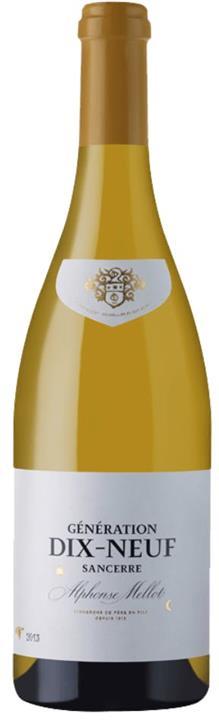
Sauvignon Blanc and Pinot Noir are the primary varietals produced by the estate. The flagship wine is the La Moussière Sancerre blanc, which is sourced from the main vineyard holdings and is known for its mineral profile. More specialized releases include the Cuvée Edmond, produced from old vines and named after the father of the current owner, and the Generation XIX series. The estate is also recognized for its red Sancerre, particularly from the En Grands Champs and Generation XIX labels, which are produced from low yielding Pinot Noir vines and aged in wood for 14 months or more. The winery is frequently cited for its early adoption of biodynamic practices and its focus on expressing specific geological profiles through its diverse range of cuvées.